


The Science Behind Automatic Digital Battery Chargers
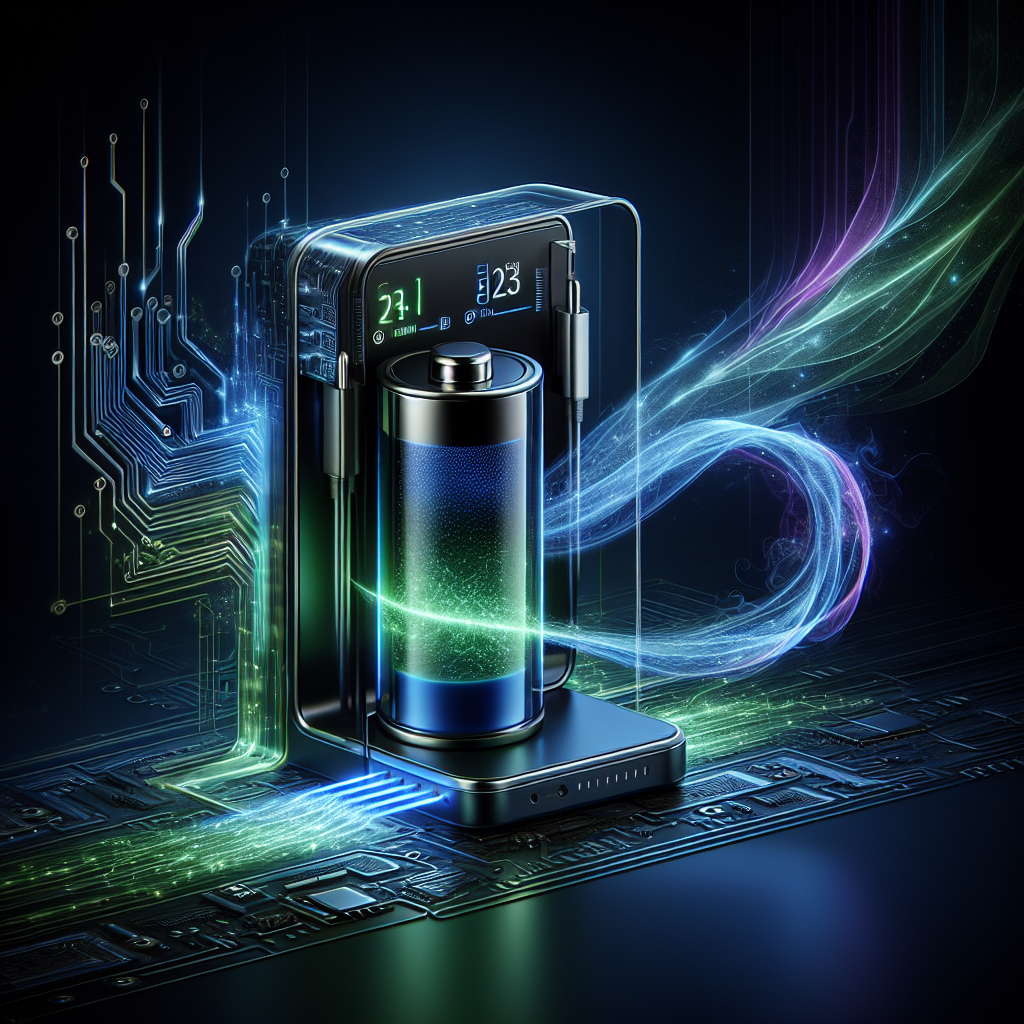
The Science Behind Automatic Digital Battery Chargers: A Detailed Exploration ⚡🔋
In today’s fast-paced world, where technology is at the heart of our daily lives, keeping our devices powered is more crucial than ever. Automatic digital battery chargers have become a staple in ensuring that our gadgets are always ready to go. But have you ever wondered what goes on inside these smart chargers? Let’s dive into the science behind automatic digital battery chargers and discover how they keep your devices juiced up efficiently!
Table of Contents
1. Introduction to Automatic Digital Battery Chargers
2. How Do Automatic Digital Battery Chargers Work?
3. Key Components of a Digital Battery Charger
4. Benefits of Using Automatic Digital Battery Chargers
5. Understanding Charging Algorithms
6. Safety Features in Modern Chargers
7. Conclusion
8. FAQs

Introduction to Automatic Digital Battery Chargers 🔌
Automatic digital battery chargers are designed to make the charging process seamless and efficient. Unlike traditional chargers, these devices are equipped with advanced technology that automatically adjusts the charging parameters based on the battery’s condition. This not only ensures optimal charging but also extends the battery life of your devices. Whether you’re charging a smartphone, laptop, or car battery, these chargers have got you covered!
How Do Automatic Digital Battery Chargers Work? 🤔
The magic of automatic digital battery chargers lies in their ability to communicate with the battery they are charging. This communication is facilitated by a microprocessor that continuously monitors the battery’s voltage and temperature. By doing so, the charger can determine the state of charge and adjust its output accordingly.
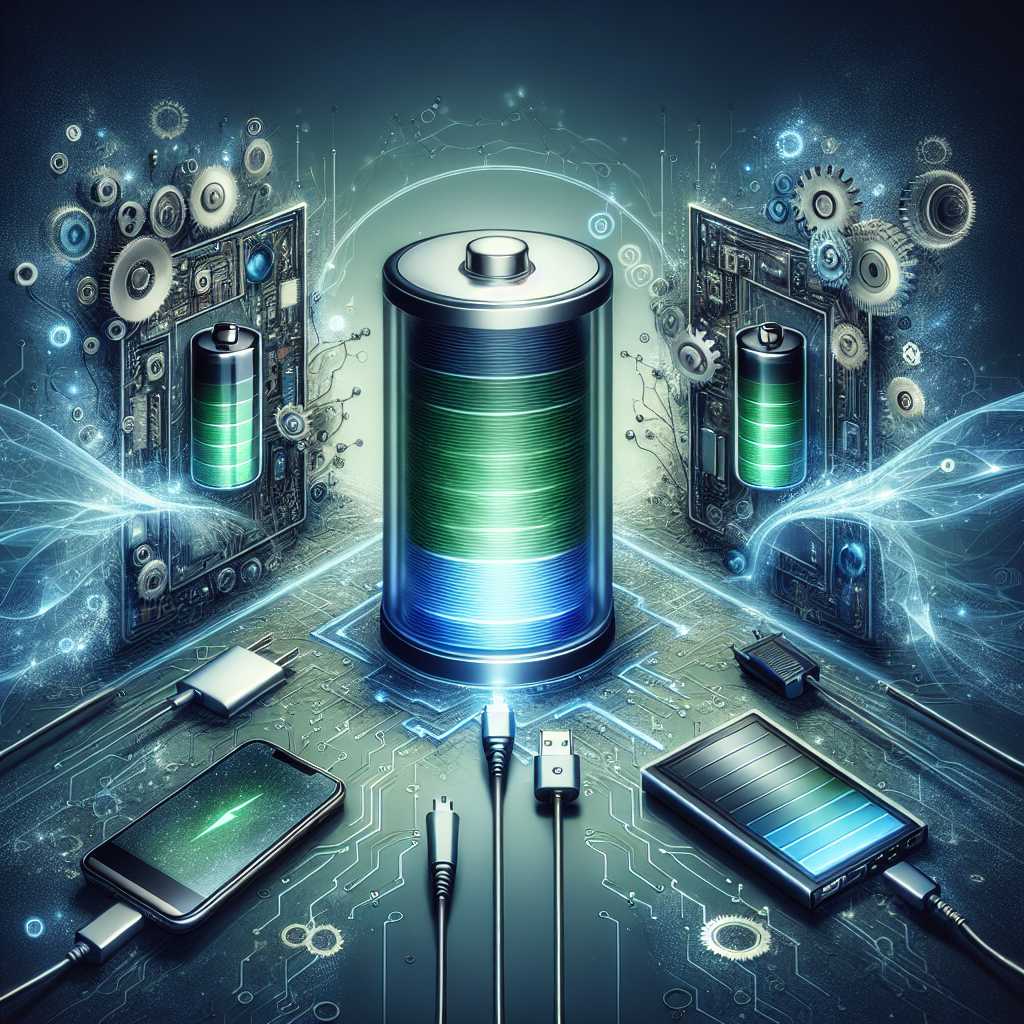
For instance, when a battery is deeply discharged, the charger will initially supply a high current to bring it back to a safe voltage level. As the battery approaches full charge, the charger reduces the current to prevent overcharging, which could damage the battery.
Key Components of a Digital Battery Charger 🛠️
Understanding the science behind these chargers also involves knowing their key components:
1. Microprocessor
The brain of the charger, the microprocessor, controls the entire charging process by making real-time adjustments based on the battery’s conditions.
2. Voltage and Temperature Sensors
These sensors provide critical data to the microprocessor, ensuring the battery is charged safely and efficiently.
3. Display Panel
Most modern chargers include a digital display that provides users with information such as charging status, battery health, and estimated time to full charge.
Benefits of Using Automatic Digital Battery Chargers 🌟
These chargers offer numerous advantages over their traditional counterparts:
1. Prolonged Battery Life
By precisely controlling the charging current and voltage, these chargers help prevent overcharging and overheating, ultimately extending the life of your batteries.
2. Energy Efficiency
Automatic digital chargers are designed to use energy more efficiently, reducing waste and lowering electricity bills.
3. Convenience
The ‘plug-and-play’ nature of these chargers means you can connect your device and let the charger do the rest, without worrying about manual adjustments.
Understanding Charging Algorithms 🧠
At the heart of every automatic digital battery charger is a sophisticated charging algorithm. These algorithms dictate how the charger reacts to various battery conditions and stages of charging. Common algorithms include:
1. Constant Current (CC)
This stage involves supplying a steady current to the battery until it reaches a predetermined voltage level.
2. Constant Voltage (CV)
Once the voltage level is reached, the charger switches to constant voltage mode, delivering a declining current to safely top off the battery.
3. Trickle Charge
In this stage, a very low current is supplied to maintain the battery’s full charge without overcharging it.
Safety Features in Modern Chargers 🔒
Safety is paramount when it comes to charging batteries. Modern automatic digital battery chargers incorporate several safety features to protect both the device and the user:
1. Overcharge Protection
This feature prevents the battery from being charged beyond its capacity, which can lead to overheating and damage.
2. Short Circuit Protection
In the event of a short circuit, the charger will automatically cut off power to prevent damage to both the charger and the battery.
3. Temperature Control
By monitoring the battery’s temperature, the charger can adjust its output to prevent overheating and ensure safe charging conditions.
Conclusion 🏁
Automatic digital battery chargers represent a significant leap forward in charging technology, offering smarter, safer, and more efficient ways to keep our devices powered. By understanding the science behind these chargers, we can appreciate the intricate balance of technology that ensures our batteries are charged optimally every time. So next time you plug in your device, remember the fascinating science that goes into keeping it charged and ready to go!
FAQs ❓
Q: Can automatic digital battery chargers be used with all types of batteries?
A: Most automatic digital battery chargers are versatile and can be used with a variety of battery types, including lithium-ion, nickel-metal hydride, and lead-acid batteries. However, it’s always a good idea to check the manufacturer’s specifications.
Q: How do I know if my charger is working correctly?
A: A functional charger will typically display charging status on its screen, such as charging, full charge, or error messages. If in doubt, consult the user manual for troubleshooting tips.
Q: Is it safe to leave devices plugged in overnight?
A: Yes, most automatic digital chargers are designed to stop charging once the battery is full, preventing overcharging. However, it’s always best to follow the manufacturer’s guidelines for optimal battery care.