

The Rise of 4K Professional Drones in Filmmaking
The Rise of 4K Professional Drones in Filmmaking
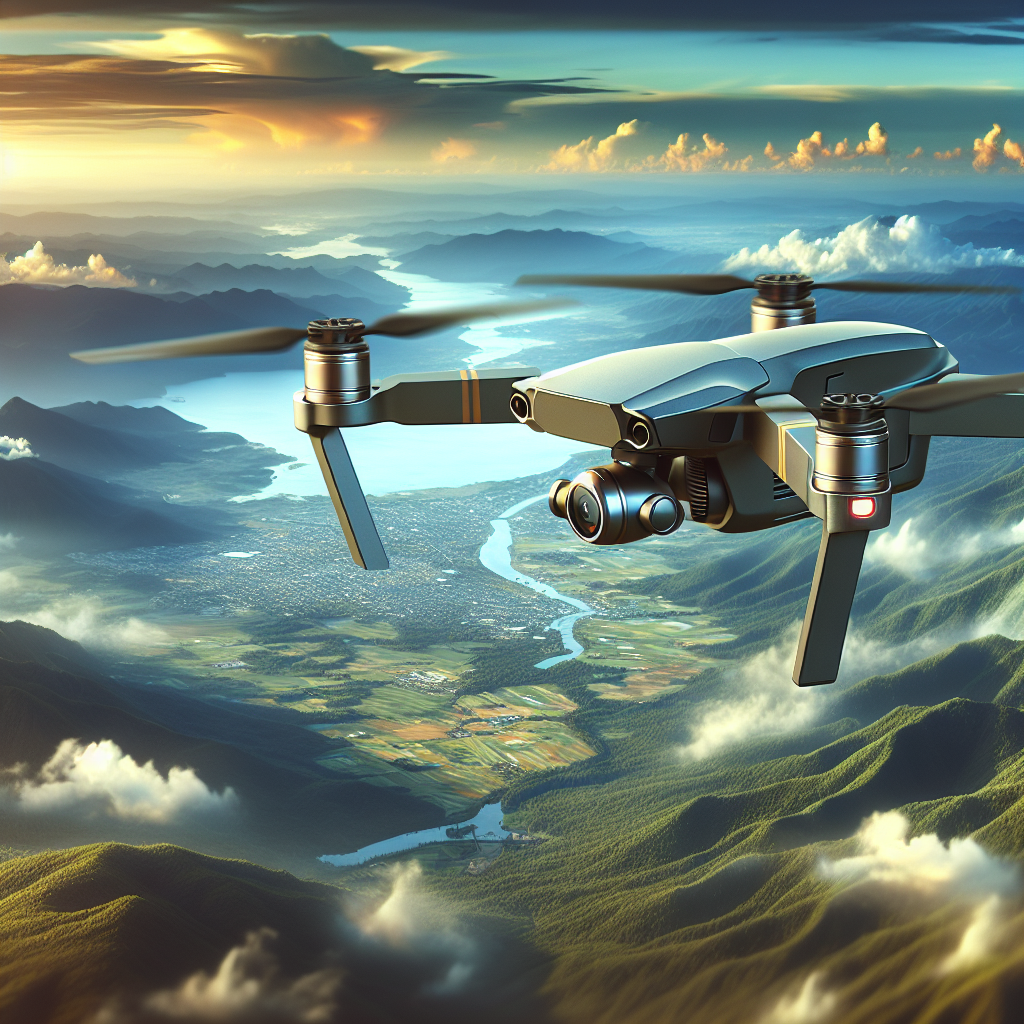
In the ever-evolving world of filmmaking, technology continually pushes the boundaries of what’s possible. One of the most exciting advancements in recent years is the rise of 4K Professional Drones in Filmmaking. These aerial wonders have revolutionized the way filmmakers capture breathtaking shots, offering a new perspective that was once only achievable through expensive helicopter rentals. Let’s dive into how 4K drones are transforming the movie-making landscape.
Table of Contents
1. Introduction to 4K Drones in Filmmaking
2. The Advantages of Using 4K Drones
3. Real-world Applications and Success Stories
4. Challenges and Considerations
5. The Future of Drones in the Film Industry
6. FAQs
7. Conclusion
Introduction to 4K Drones in Filmmaking
4K drones have quickly become a staple in the toolkit of modern filmmakers. With their ability to capture ultra-high-definition footage from the sky, these drones offer a level of versatility and creativity that was previously unimaginable. The rise of drones equipped with 4K cameras has democratized aerial cinematography, making it accessible to independent filmmakers and big-budget studios alike.
The Advantages of Using 4K Drones
1. Stunning Visuals 📸
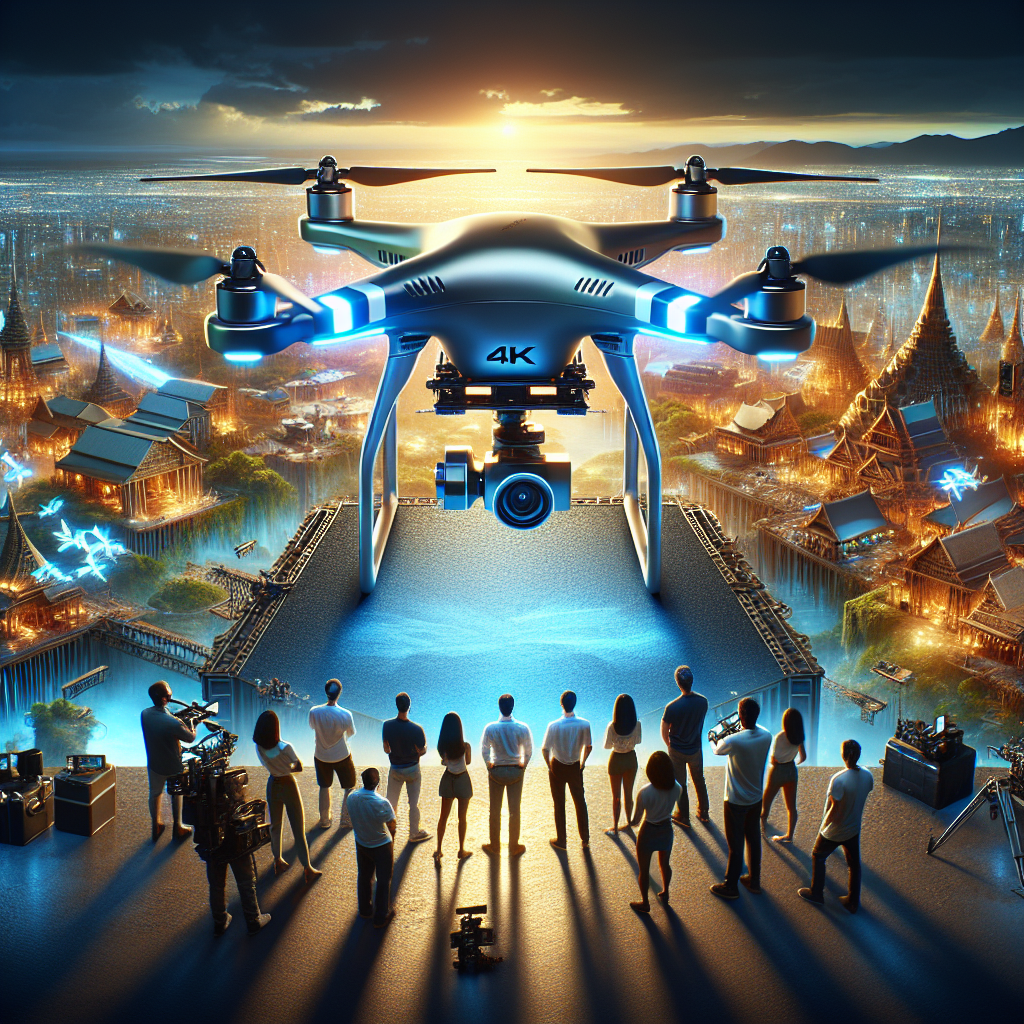
The most obvious advantage of using 4K drones is the incredible visual quality they provide. The 4K resolution ensures that every detail is captured with stunning clarity, allowing for breathtaking aerial shots that can enhance any narrative.
2. Cost-Effective Solutions 💰
Gone are the days when aerial shots required a helicopter and a hefty budget. Drones offer a more affordable alternative, allowing filmmakers to achieve high-quality aerial footage without breaking the bank.
3. Creative Freedom and Flexibility 🎨
With drones, filmmakers have the freedom to explore new angles and perspectives. Whether it’s a sweeping landscape or an intimate scene from above, drones provide the flexibility to capture shots that were once thought impossible.
Real-world Applications and Success Stories
Many filmmakers have already embraced 4K drones to elevate their storytelling. For instance, major blockbusters like “Skyfall” and “The Wolf of Wall Street” have utilized drone technology to achieve dynamic and memorable shots. On a smaller scale, indie filmmakers are using drones to create compelling visuals that rival those of larger productions.
Challenges and Considerations
1. Legal and Regulatory Issues ⚖️
Operating drones comes with a set of legal considerations. Filmmakers must navigate regulations regarding drone usage, which can vary by country and region. Obtaining the necessary permits and certifications is crucial to avoid legal complications.
2. Technical Limitations and Weather Conditions ⛅
While drones offer remarkable capabilities, they are not without their limitations. Battery life, payload capacity, and susceptibility to weather conditions can affect their performance. Filmmakers must plan accordingly to ensure successful shoots.
The Future of Drones in the Film Industry
The potential for drones in filmmaking is vast. As technology continues to advance, we can expect to see even more innovative uses for drones. From AI-driven autonomous flights to enhanced stabilization systems, the future holds exciting possibilities for filmmakers looking to push the boundaries of aerial cinematography.
FAQs
What is the main advantage of using 4K drones in filmmaking?
The primary advantage is the ability to capture stunning, high-resolution footage from unique aerial perspectives, providing filmmakers with greater creative freedom.
Are there any legal challenges associated with using drones for filmmaking?
Yes, filmmakers must adhere to legal and regulatory requirements, which can vary by location. Obtaining the necessary permits and certifications is essential.
Can drones replace traditional camera equipment?
While drones offer unique advantages, they are not a complete replacement for traditional equipment. They are best used as a complement to other filming techniques.
Conclusion
The rise of 4K professional drones in filmmaking marks a thrilling chapter in the industry. These drones have not only made aerial cinematography more accessible but have also inspired filmmakers to explore new creative horizons. As we look to the future, it’s clear that drones will continue to play a pivotal role in shaping the cinematic experiences of tomorrow. 🚁✨








Leave a comment